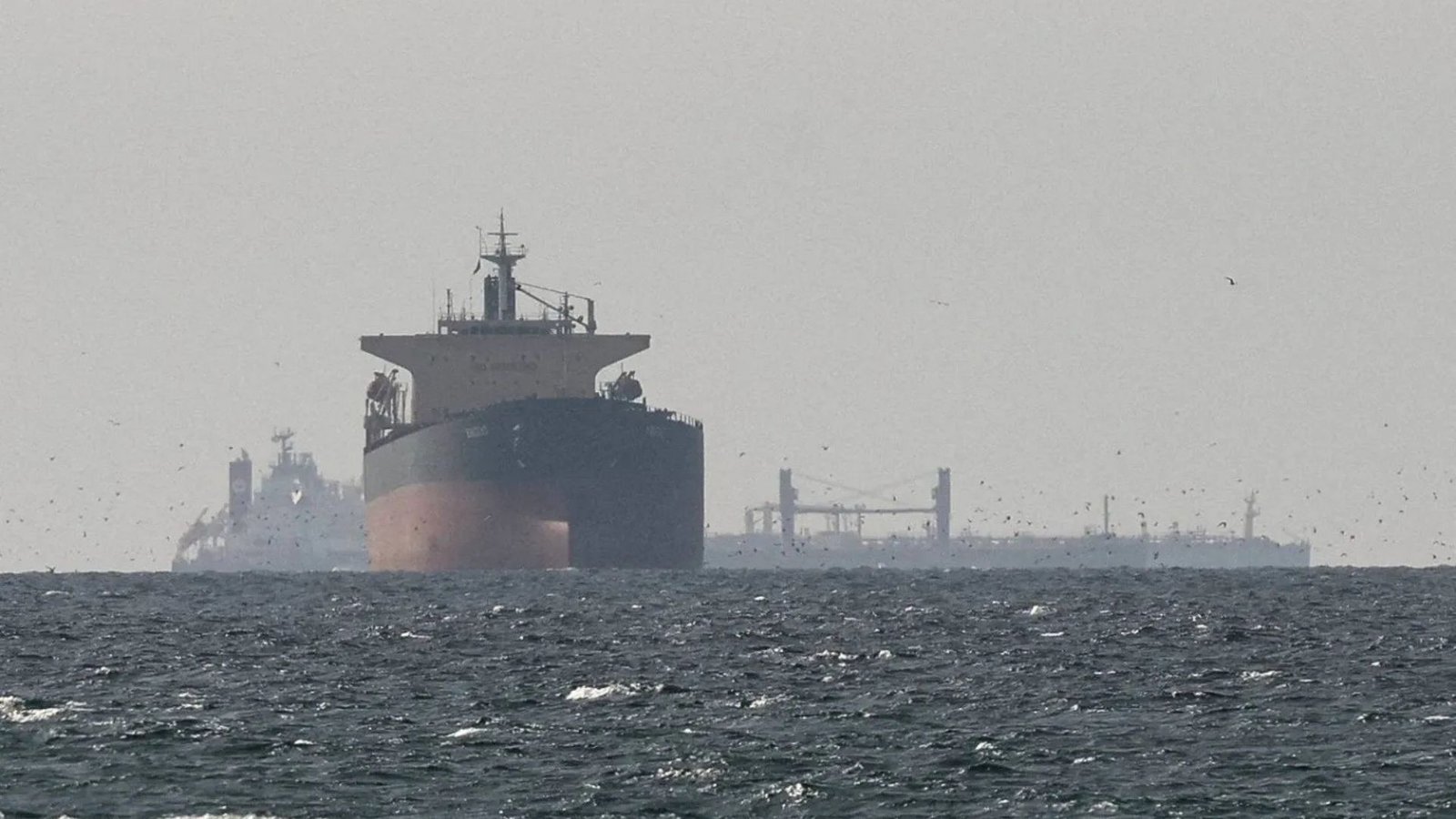
Japan and Australia said on Monday they have no plans to send naval vessels to the Middle East to escort commercial ships through the Strait of Hormuz, despite a call from U.S. President Donald Trump for allied nations to help secure the crucial shipping route.
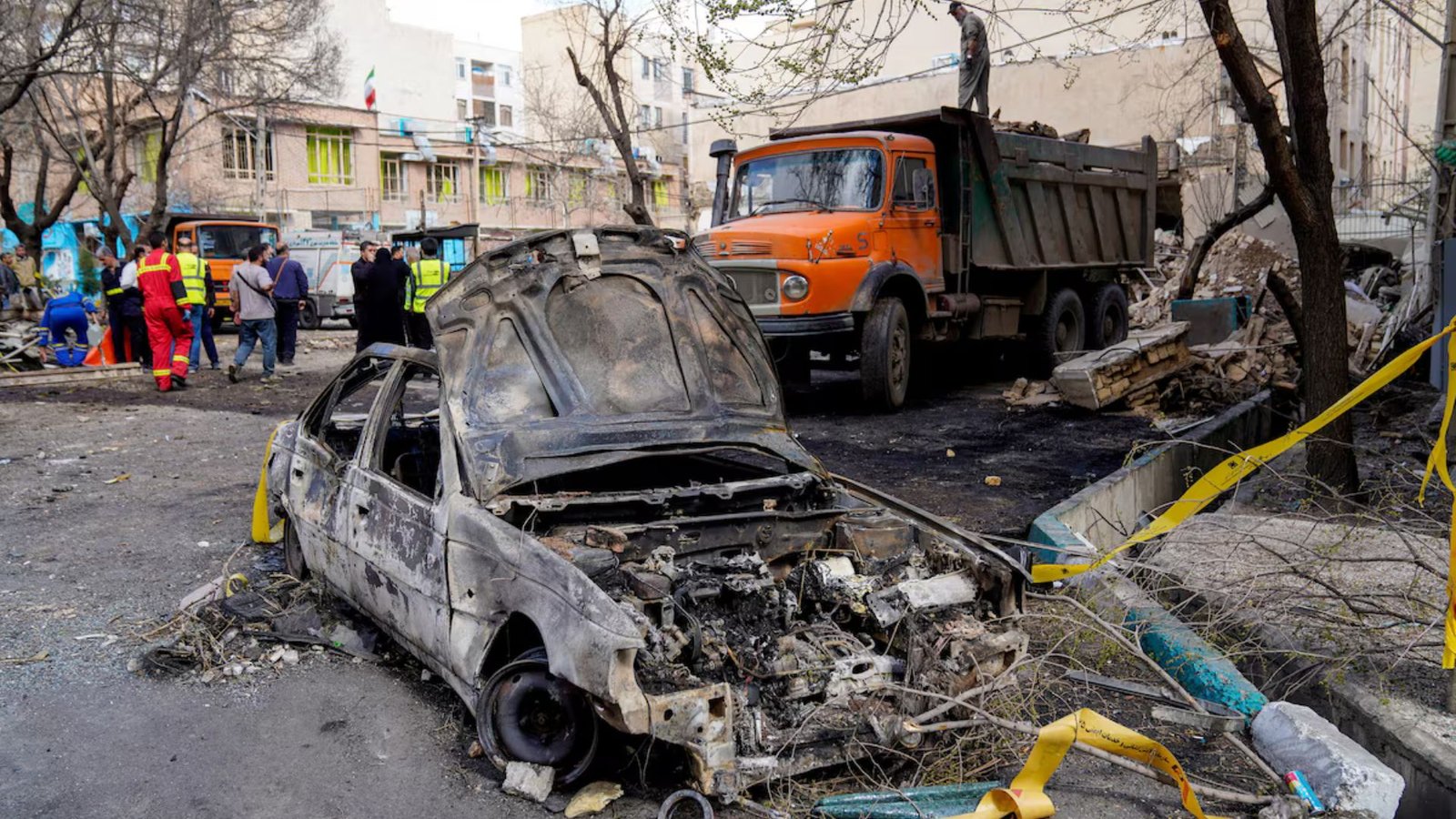
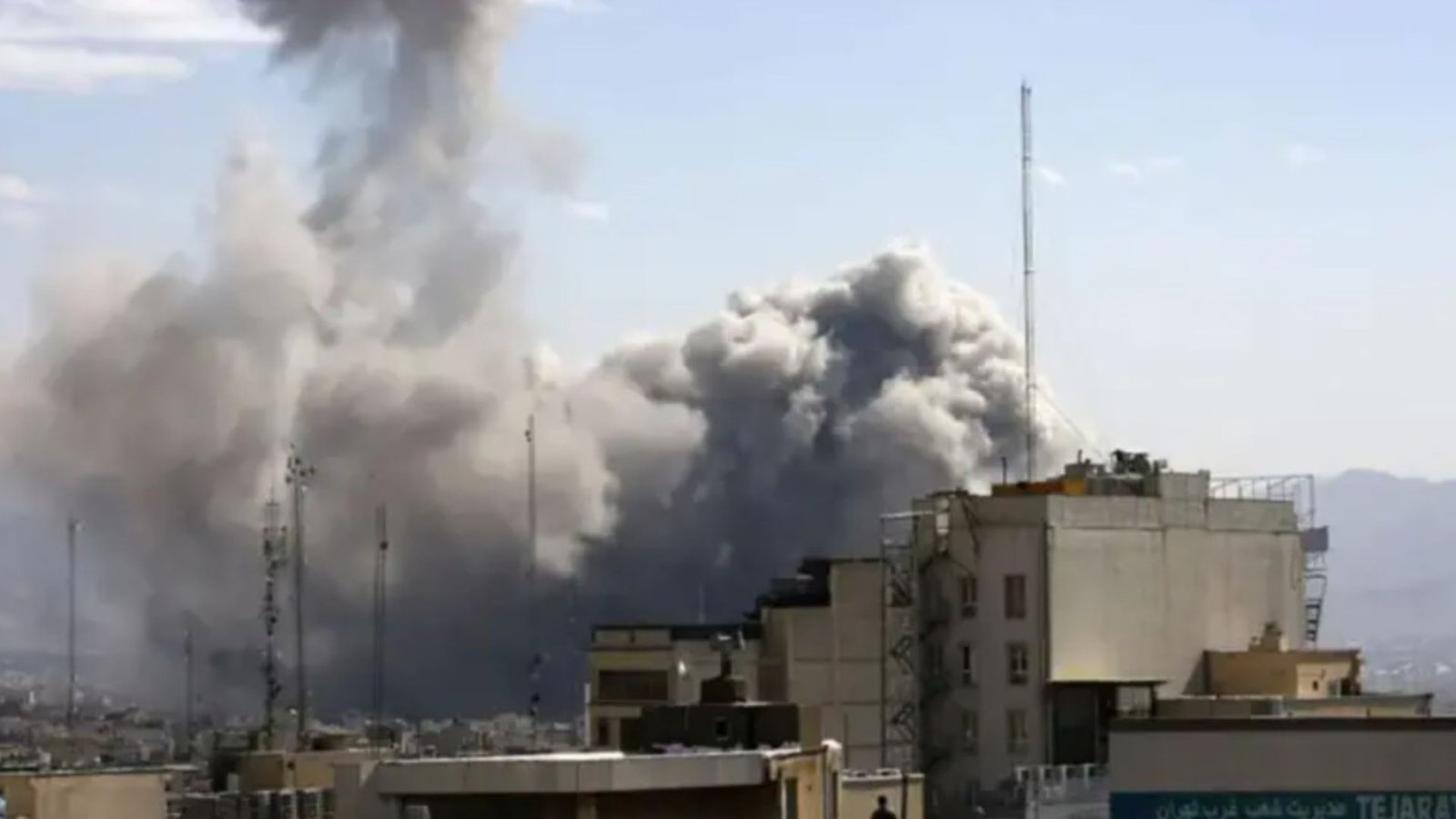
The appeal comes as the U.S.–Israeli conflict with Iran enters its third week, fueling instability across the Middle East and rattling global energy markets. The Strait of Hormuz, a narrow passage between the Persian Gulf and the Gulf of Oman, is one of the world’s most critical energy corridors, with roughly 20% of global oil and gas shipments passing through it.
Speaking to reporters aboard Air Force One while traveling from Florida to Washington, Trump said countries that rely heavily on Gulf energy should take greater responsibility for protecting the waterway. He added that his administration had already approached seven nations about joining a coalition, but did not name them.
Financial markets in Asia reacted cautiously to the growing tensions. Brent crude prices rose more than 1%, climbing above $104.50 per barrel, while regional stock markets slipped amid fears that the conflict could threaten Middle Eastern oil infrastructure.
Japanese Prime Minister Sanae Takaichi told parliament that Japan has made no decision to dispatch escort ships, citing constitutional limits on military deployments. Australia also said it had not been asked to contribute naval forces and currently has no plans to do so.